
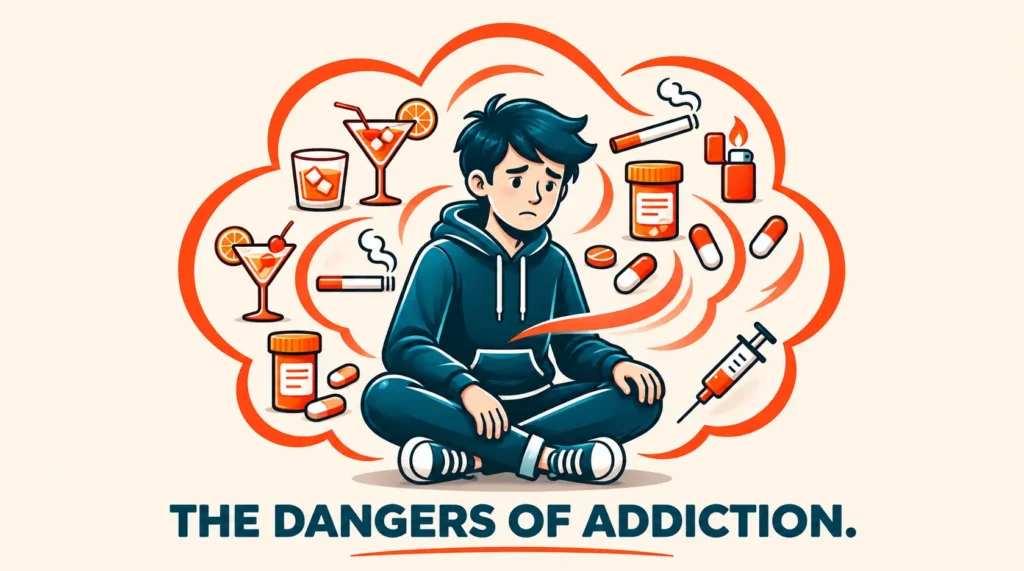
You have a gut feeling that something is off. Maybe your brother keeps canceling plans, your daughter seems tired all the time, or your spouse says every week they’ll cut back. Noticing the signs of substance abuse in someone you love is hard, because the changes tend to creep in slowly and the person is often working hard to hide them.
This guide covers the most common signs of substance abuse, how to spot the signs of alcohol abuse and the signs of drug addiction, and how to talk to someone about substance abuse without starting a fight.
If you want support while you sort through it, Affiliates in Counseling works with individuals and families in Chicago and Northbrook, in person and virtually.
What Are the Signs of Substance Abuse?
The most common signs of substance abuse are changes in mood, behavior, appearance, and daily responsibilities. A person may pull away from family, lose interest in things they used to enjoy, struggle at work or school, ask for money often, or keep using even after it causes problems. No single sign proves anything, but a pattern is worth taking seriously.
Here is what to watch for, grouped by type.
Behavioral Changes
These signs of substance abuse often show up first, because they affect daily life.
- Pulling away from family and friends, or suddenly spending time with a new crowd
- Missing work, school, or important commitments
- Secrecy about where they go, who they see, or how they spend money
- Borrowing money, or items going missing around the house
- Dropping hobbies they used to love
- Lying, or getting defensive over simple questions
Physical Changes
- Noticeable weight loss or gain
- Bloodshot eyes, unusual pupil size, or frequent nosebleeds
- Sleeping at odd hours, or barely sleeping at all
- Shakiness, sweating, or nausea when they go without
- Neglecting hygiene or appearance
Emotional and Mental Changes
- Sudden mood swings, irritability, or anger
- Anxiety, paranoia, or low motivation
- Seeming flat, numb, or checked out
- Needing more of a substance to get the same effect, which is called tolerance
- Continuing to use despite harm to health, relationships, or work
Keep in mind that stress, depression, and other health issues can cause some of these changes too. That is why no single one of the signs of substance abuse tells the whole story. Look for clusters that last.
Signs of Alcohol Abuse
Alcohol is legal and socially accepted, which makes the signs of alcohol abuse easy to explain away. Someone can hold a job, run a household, and still have a serious problem. Look for these:
- Drinking earlier in the day or drinking alone
- Hiding bottles or downplaying how much they drink
- Blackouts or gaps in memory
- Needing more drinks to feel the same effect
- Shaking, sweating, or irritability when they do not drink
- Promises to cut back that never stick
- Continuing to drink after a DUI, a health scare, or a painful argument
Many people picture someone who has lost everything. In reality, plenty of people with alcohol problems look successful from the outside, which is one reason many signs of substance abuse go unnoticed for years.
Signs of Drug Addiction
The signs of drug addiction vary by substance, but some patterns show up across the board.
- Stimulants can bring long stretches without sleep, big energy swings, and weight loss.
- Opioids and sedatives can cause drowsiness, slowed speech, and very small pupils.
- Marijuana and other drugs may bring red eyes, memory trouble, and loss of motivation.
Do not overlook prescription medication. Running out of pills early, visiting several doctors for the same prescription, or taking more than prescribed are warning signs too. Other common signs of drug addiction include drug paraphernalia, unexplained money problems, and strong cravings that seem to run the person’s schedule.
Signs of Substance Abuse in a Loved One: Two Examples
These are composite examples based on common patterns, with details changed to protect privacy.
Maria and Tom. Maria noticed her husband started coming home late “from work.” He stopped coaching their son’s soccer team, became irritable every evening, and the credit card statements showed charges she couldn’t explain. When she asked, he said work was stressful. None of it alone seemed alarming. Together, the withdrawal, secrecy, money problems, and mood changes pointed to a problem with alcohol.
Greg and his daughter. Greg’s 22-year-old daughter began sleeping through afternoons, lost weight, and kept asking for small amounts of money. She had also stopped answering calls. He first assumed it was a rough patch at college. It took a few weeks of paying attention to see the pattern and realize she might be struggling with opioids.
Both families did better once they stopped trying to diagnose and started describing what they saw, with care, and offering support.
How to Talk to Someone About Substance Abuse
Knowing how to talk to someone about substance abuse is often the hardest part. You are not trying to win an argument. You are trying to open a door.
Choose the Right Moment
Pick a calm, private time when they are sober. Avoid bringing it up right after an incident, in the middle of a fight, or in front of other people.
Lead With Care and Specifics
Describe what you have seen, not who you think they are. “I noticed you have missed the last few family dinners, and I am worried about you” lands much better than “You have a drinking problem.”
Phrases That Tend to Help
- “I care about you, and a few things have been worrying me.”
- “You do not have to have it all figured out. I just want to know how you are really doing.”
- “What would support look like for you?”
- “I am not here to judge you. I am here because I love you.”
What to Avoid
- Labels like “addict” or “alcoholic”
- Ultimatums you will not follow through on
- Lecturing, guilt trips, or listing every past mistake
- Starting the conversation when either of you is angry, or the person is under the influence
Expect Pushback
Denial and defensiveness are common, and they do not mean the conversation failed. Stay calm, plant the seed, and come back to it. Change often takes several conversations.
How to Help a Loved One With Addiction
Wondering how to help a loved one with addiction without losing yourself in the process? These steps help.
- Learn about substance use disorder. It is a health condition, not a character flaw.
- Set boundaries you can keep. For example, you might stop giving cash or covering for missed work.
- Offer support, not rescue. Give a ride to an appointment, but do not clean up the consequences.
- Encourage professional help. That can mean therapy, medical care, or recovery coaching.
- Take care of yourself. Support groups, your own counselor, and rest are not selfish.
- Be patient with setbacks. Relapse is common and does not mean failure. Our guide to relapse prevention explains how to plan for it.
If you have spotted signs of substance abuse and feel overwhelmed, you are not alone. Loved ones often carry more than they admit. That is why Affiliates in Counseling offers Support for Loved Ones and Primary Supports, which gives you education, guidance, and practical tools for supporting someone while keeping healthy boundaries and protecting your own well-being.
When to Get Help Right Away
Some signs of substance abuse are emergencies. Call 911 if someone has overdosed, cannot be woken, has trouble breathing, or is in immediate danger. If someone is having thoughts of suicide, call or text 988. For free, confidential treatment referrals, the SAMHSA National Helpline is 1-800-662-4357 and is available 24/7.
How Affiliates in Counseling Can Help
Affiliates in Counseling serves Chicago and Northbrook, IL, with sessions in person and virtually. Our Substance Recovery Coaching offers personalized support for building a life without alcohol and drug use, and it is led by Molly Champagne, LCSW, CADC, a licensed clinical social worker and certified alcohol and drug counselor.
We offer a range of programs for different needs, goals, and stages of recovery:
- Recovery Foundation for structure, accountability, healthy routines, and practical recovery skills
- Recovery Exploration for people still considering their relationship with alcohol or substances
- Support for Loved Ones and Primary Supports for families and partners
- Intensive Recovery Coaching for early recovery, transitions, or tougher stretches
- Ongoing Recovery Support for flexible, long-term accountability and growth
- Executive Recovery Coaching for balancing high-pressure work with recovery
Coaching focuses on the practical, day-to-day challenges of sobriety, while therapy explores the deeper roots. They can work well together, and you can read more in our post on addiction coaching vs. therapy. Programs are designed for adults 18 and older.
Frequently Asked Questions
What are the first signs of substance abuse?
The first signs of substance abuse are usually subtle: pulling away from people, new secrecy, mood changes, slipping responsibilities, and a growing need for the substance. Look for patterns over time rather than one bad day.
Can I make someone get help?
Change works best when the person is willing. Our team does not offer interventions, and clients need to be ready to engage. You can still get support for yourself as a loved one, which often makes a real difference.
Does insurance cover coaching?
Coaching is not recognized as billable treatment, so we cannot provide a superbill for out-of-network reimbursement. Ask about therapy options separately if insurance is a concern.
How do I know which support option is right for me or my loved one?
We begin with a relaxed 30-minute call, so you can ask questions and share what you are looking for. The most important part is that you feel comfortable and that we are a good team.
What is the difference between therapy and coaching for addiction?
Therapy explores the deeper roots of substance use and addictive behaviors. Coaching focuses on the practical, day-to-day challenges of sobriety. If you already have a therapist, we value collaboration so our work complements your care rather than overlapping it.
Is there an age limit?
Our programs are designed for adults 18 and older. Teens who are able and willing to engage may be considered case by case, which matters if the person you are worried about is a teen or young adult.
You Do Not Have to Figure This Out Alone
If you are seeing the signs of substance abuse in someone you love, you do not have to work out the next step by yourself. Whether you are a loved one looking for guidance or you are ready to explore change for yourself, we are here in Chicago and Northbrook, in person and virtually.